Finding the Right Balance with Organisational KPIs
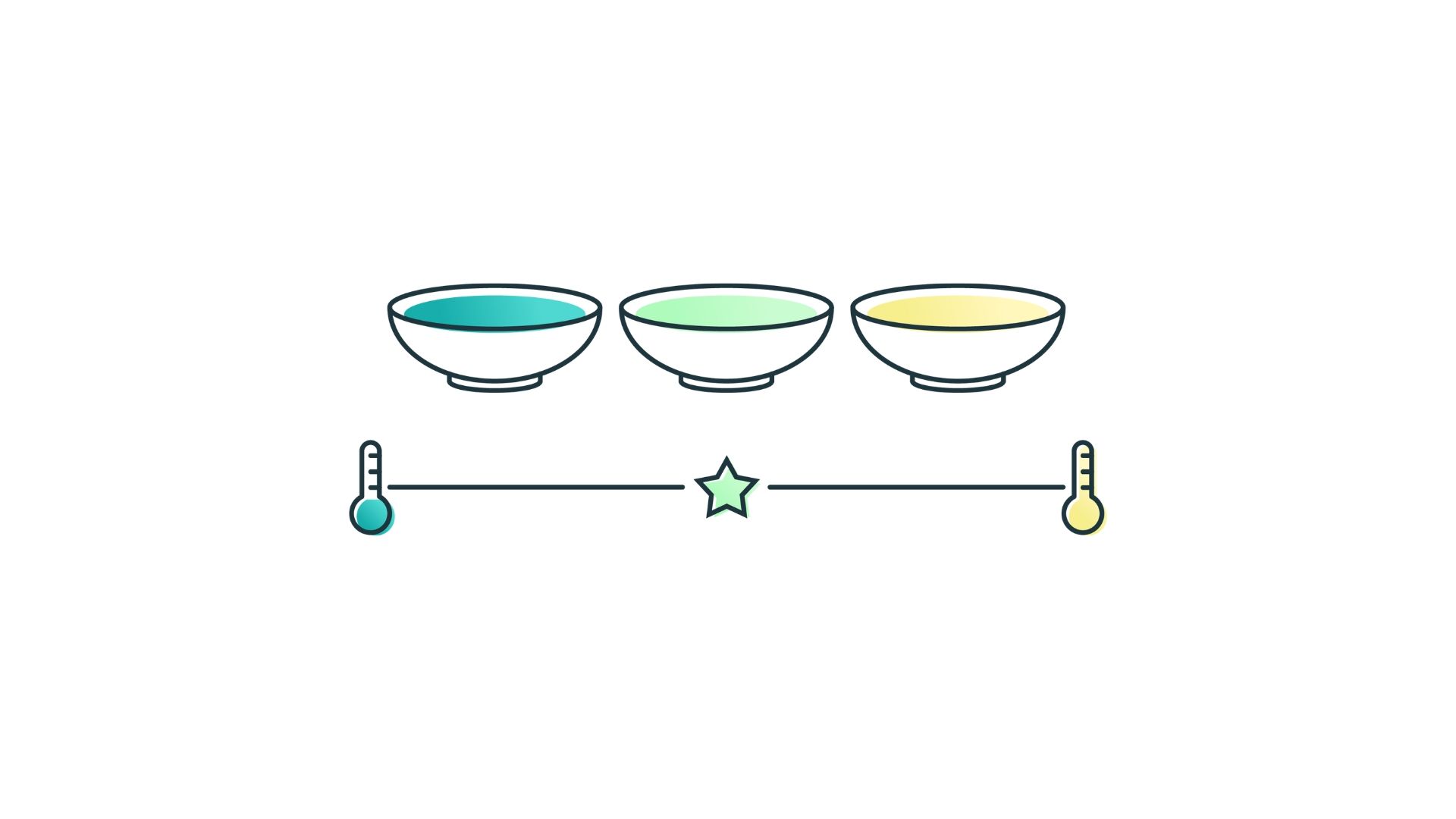
Have you ever wondered if you're measuring too much or too little in your organisation? Just like Goldilocks searching for the perfect bowl of porridge, organisations face a challenge in finding the "just right" balance of Key Performance Indicators (KPIs).
The Dangers of Measuring
Too Little
Early warning signs remain hidden until they become crises
Leaders develop incomplete pictures of organisational health
Strategic blind spots emerge where important aspects go untracked
False confidence builds based on limited positive metrics
Too Much
Decision-making slows due to analysis paralysis
Valuable resources get consumed by excessive reporting
Focus diminishes when everything is deemed important
Teams develop metric fatigue
Contradictory signals create confusion about priorities
The Dangers of Measuring
Too Little
Early warning signs remain hidden until they become crises
Leaders develop incomplete pictures of organisational health
Strategic blind spots emerge where important aspects go untracked
False confidence builds based on limited positive metrics
Too Much
Decision-making slows due to analysis paralysis
Valuable resources get consumed by excessive reporting
Focus diminishes when everything is deemed important
Teams develop metric fatigue
Contradictory signals create confusion about priorities
Why Do We Get It Wrong?
Fear of Missing Something: Anxiety drives us to measure everything possible
Technology Enablement: Modern tools make tracking countless metrics deceptively easy
Stakeholder Demands: Different departments each push for their preferred metrics
Organisational Inertia: Once established, metrics rarely get removed
False Equivalence: The mistaken belief that more measurement equals better management
Why Do We Get It Wrong?
Fear of Missing Something: Anxiety drives us to measure everything possible
Technology Enablement: Modern tools make tracking countless metrics deceptively easy
Stakeholder Demands: Different departments each push for their preferred metrics
Organisational Inertia: Once established, metrics rarely get removed
False Equivalence: The mistaken belief that more measurement equals better management
Finding Your Goldilocks Zone
Start with Purpose and Strategy. Ask:
What are we truly trying to achieve?
What are our top 3-5 strategic priorities this year?
What outcomes would indicate success?
Apply the Value Test For each potential KPI, examine:
Will this metric drive meaningful action?
Does it provide unique insight?
Is the value greater than the cost of collecting it?
Would we notice if this metric disappeared?
Build a Balanced Framework to create a holistic view across:
Purpose and impact
People and culture
Process and innovation
Customer and relationships
Financial and sustainability
Limit each category to 2-3 essential metrics.
Establish a Clear Hierarchy Structure:
Primary KPIs (5-7): For executive leadership
Secondary Metrics (10-15): For department leads
Operational Measures: For frontline managers
Practice Regular Pruning:
Schedule quarterly metric reviews
Conduct annual comprehensive assessments
Follow a "one in, one out" policy
Sunset metrics that haven't driven decisions
Finding Your Goldilocks Zone
Start with Purpose and Strategy. Ask:
What are we truly trying to achieve?
What are our top 3-5 strategic priorities this year?
What outcomes would indicate success?
Apply the Value Test For each potential KPI, examine:
Will this metric drive meaningful action?
Does it provide unique insight?
Is the value greater than the cost of collecting it?
Would we notice if this metric disappeared?
Build a Balanced Framework to create a holistic view across: