
Insight 22 January 2025
Integrated Capability Planning
The building blocks of Sustainable Business Performance
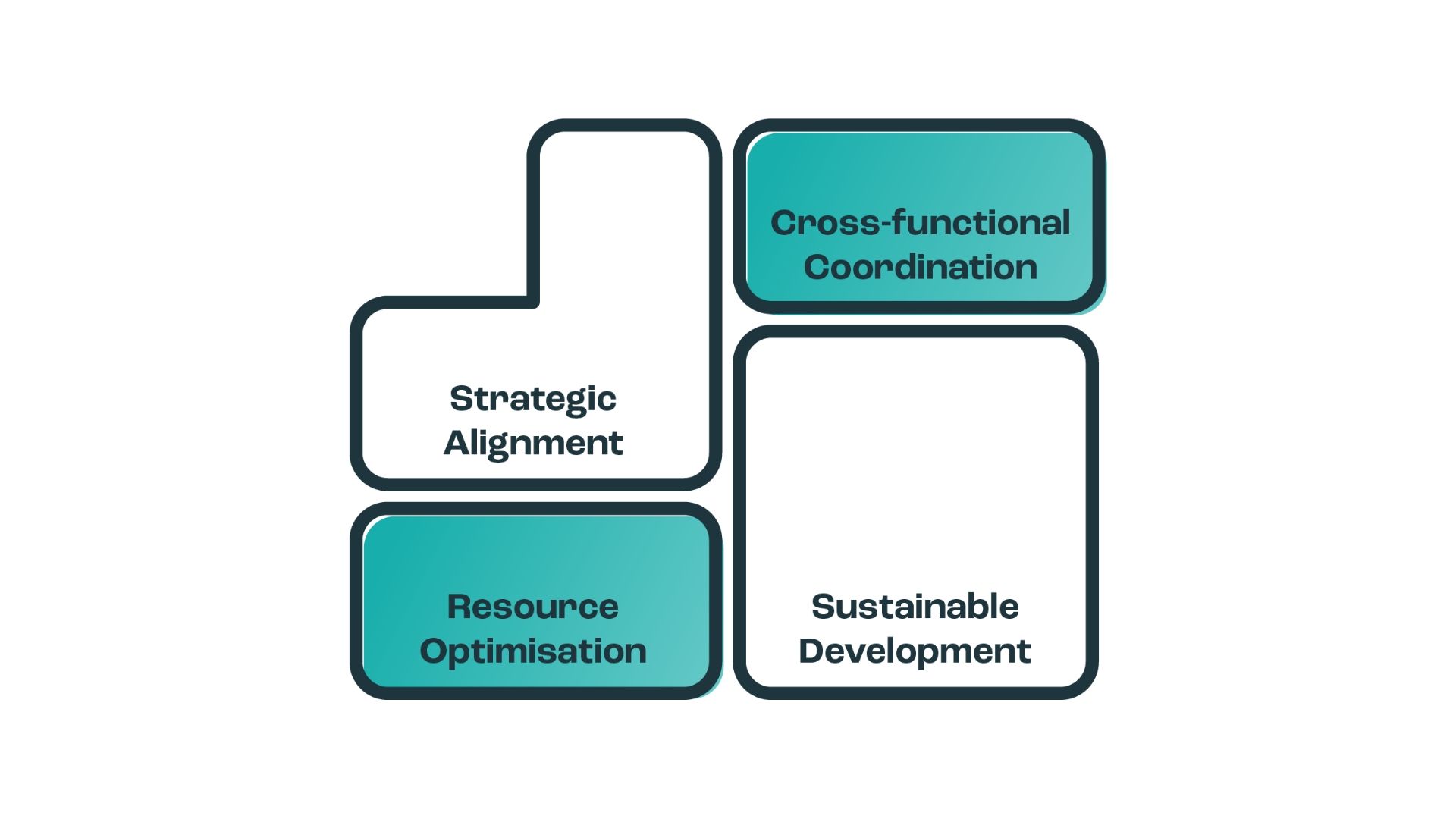
Integrated capability planning has emerged as an important approach to ensure capability investments realise strategic outcomes.
Understanding Integrated Capability Planning
At its core, integrated capability planning is about orchestrating all the elements that enable an organisation to achieve its strategic objectives. This means considering how people, processes, technology, data, and infrastructure work together to deliver operational outcomes. Rather than planning each component separately, this approach focuses on their interdependencies and collective impact.
Understanding Integrated Capability Planning
At its core, integrated capability planning is about orchestrating all the elements that enable an organisation to achieve its strategic objectives. This means considering how people, processes, technology, data, and infrastructure work together to deliver operational outcomes. Rather than planning each component separately, this approach focuses on their interdependencies and collective impact.
The Four Pillars of Integration
1. Strategic Alignment
Every capability directly supports strategic objectives. This alignment means that investments in capability development deliver meaningful organisational outcomes.
2. Cross-functional Coordination
Active participation from all relevant organisational functions. This collaborative approach enables different perspectives to be considered and potential conflicts or dependencies identified early.
3. Resource Optimisation
By planning capabilities holistically, organisations can better optimise their resource allocation. This includes identifying opportunities for shared resources and avoiding duplicate investments.
4. Sustainable Development
Designing capabilities for a sustainable future includes considering factors like scalability, adaptability, and long-term resource requirements.
The common challenges include integration resistance and complexity management. Fostering a collaborative culture through shared organisational objectives and clear communication of shared outcomes is one way to overcome these challenges.
The Four Pillars of Integration
1. Strategic Alignment
Every capability directly supports strategic objectives. This alignment means that investments in capability development deliver meaningful organisational outcomes.
2. Cross-functional Coordination
Active participation from all relevant organisational functions. This collaborative approach enables different perspectives to be considered and potential conflicts or dependencies identified early.
3. Resource Optimisation
By planning capabilities holistically, organisations can better optimise their resource allocation. This includes identifying opportunities for shared resources and avoiding duplicate investments.
4. Sustainable Development
Designing capabilities for a sustainable future includes considering factors like scalability, adaptability, and long-term resource requirements.
The common challenges include integration resistance and complexity management. Fostering a collaborative culture through shared organisational objectives and clear communication of shared outcomes is one way to overcome these challenges.
Best Practices for Success
1. Start with Clear Strategic Intent
Ensure all capability planning activities are directly linked to strategic objectives.
2. Embrace Systems Thinking
Consider the ripple effects of capability changes across the organisation.
3. Build Flexible Frameworks
Create planning processes that can adapt to changing business needs whilst maintaining strategic alignment.
4. Foster Collaboration
Encourage cross-functional input and shared ownership of capability outcomes.
5. Maintain Long-term Focus
Balance short-term needs with long-term sustainability requirements.
Best Practices for Success
1. Start with Clear Strategic Intent
Ensure all capability planning activities are directly linked to strategic objectives.
2. Embrace Systems Thinking
Consider the ripple effects of capability changes across the organisation.
3. Build Flexible Frameworks
Create planning processes that can adapt to changing business needs whilst maintaining strategic alignment.
4. Foster Collaboration
Encourage cross-functional input and shared ownership of capability outcomes.
5. Maintain Long-term Focus
Balance short-term needs with long-term sustainability requirements.
Further Reading

Copyright © 2025 Potenture
Don't miss your chance to join The Purposeful Life


Seven Core Capabilities Guide Available Now!